Definition and Benefits of Remote Supports and Assistive Technology
Remote Supports (RS) refers to the use of Assistive Technology (AT) to provide support remotely rather than through in-person supports. This approach can increase independence, enhance safety, and reduce the need for physical staffing while still ensuring individuals receive the care they need. Remote Supports can be used in a natural or ISL setting. Assistive Technology can be used in group homes, natural setting, host homes, ISL setting, etc.
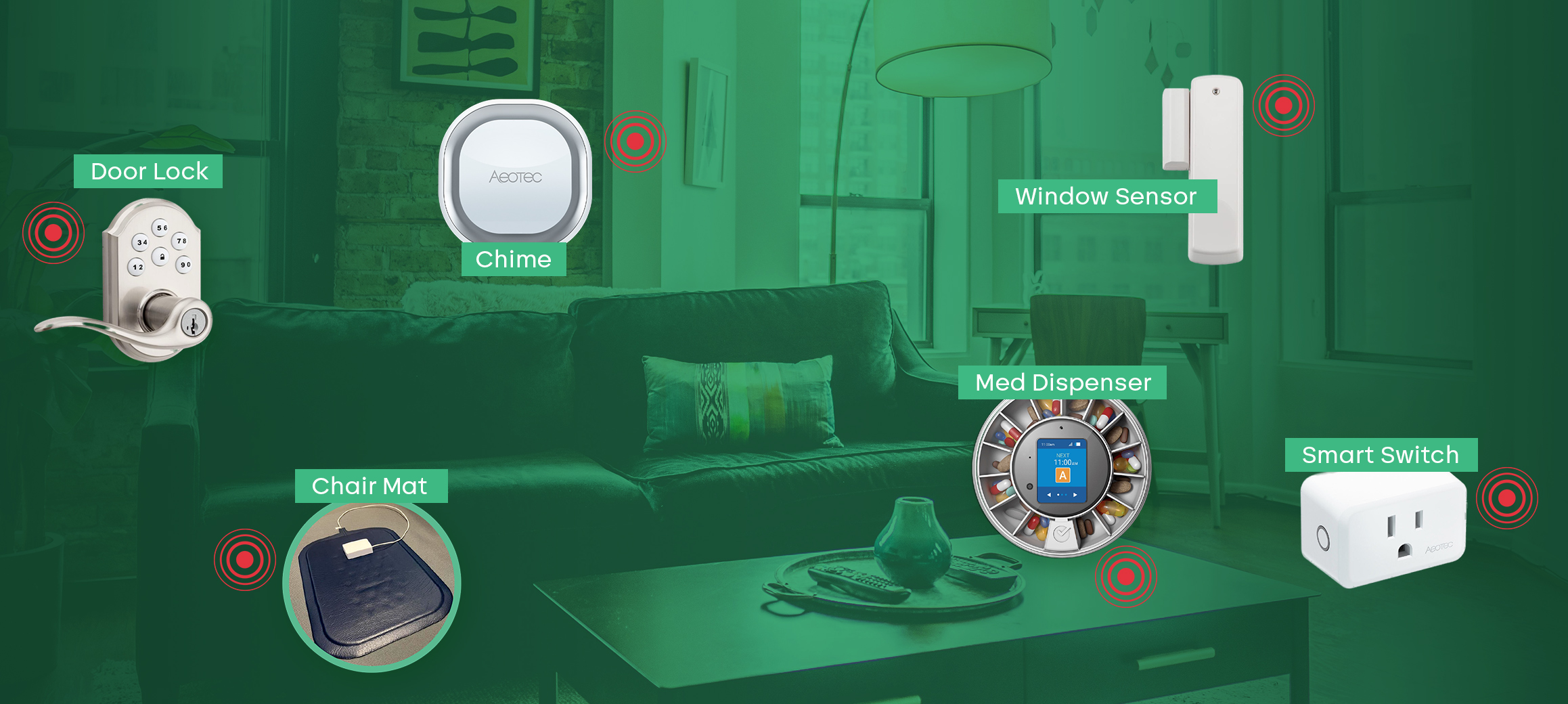
Examples of Hearo sensors in an individuals living room
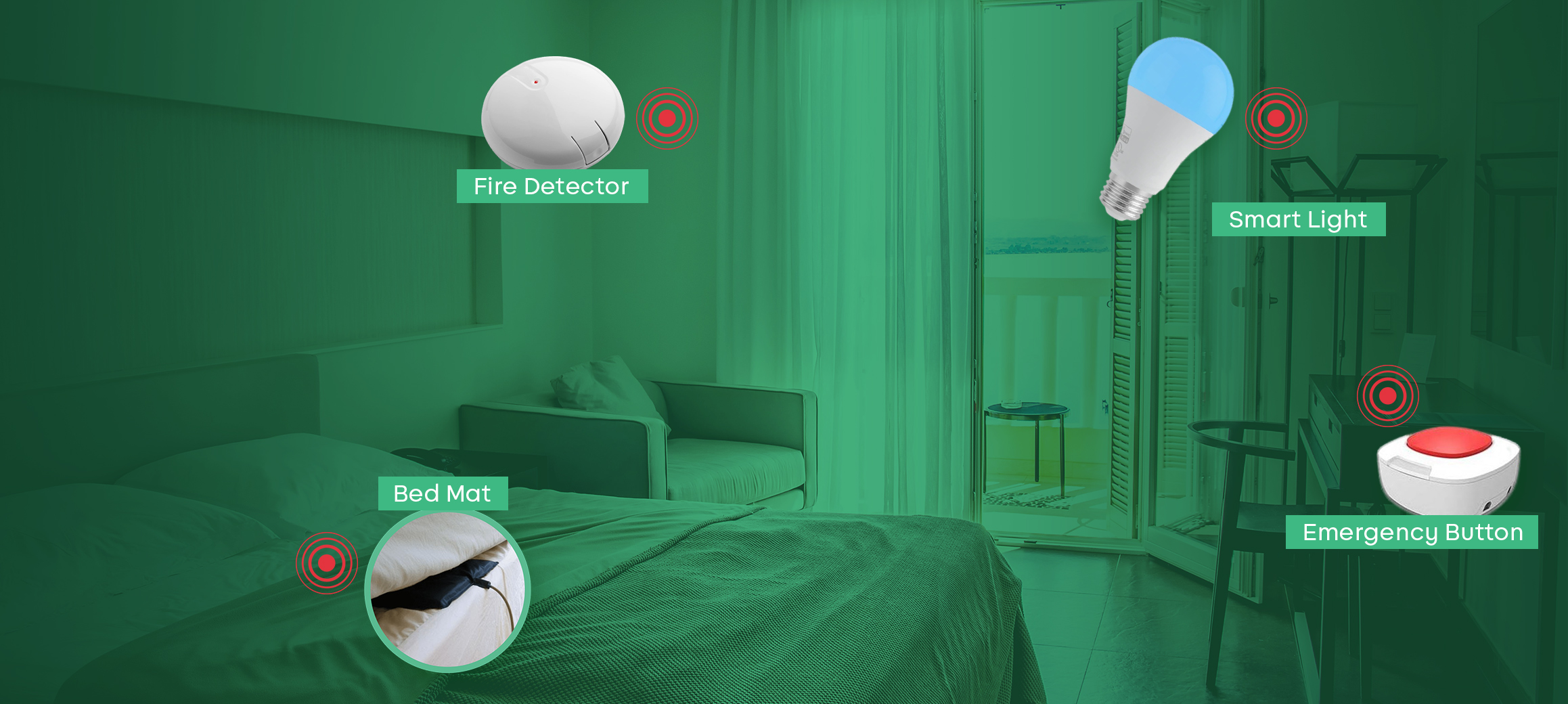
Examples of Hearo sensors in an individuals bedroom
Benefits of Remote Supports and Assistive Technology:
- Encourages independence by allowing individuals to live in less restrictive environments.
- Supports skill-building by reinforcing routines through assistive prompts and sensors.
- Reduces staffing needs, helping agencies optimize resources while maintaining care quality.
- Enhances safety monitoring, allowing quick responses to emergencies or unusual activity.
- Improves quality of life through customized reminders, voice/video communication, and emergency detection.
- Supports fading plans to transition staffing and restore rights restrictions.
Role in Enhancing Quality of Life
RS & AT solutions bridge the gap between support and autonomy by giving individuals the tools they need to manage daily tasks with confidence.
Common Examples:
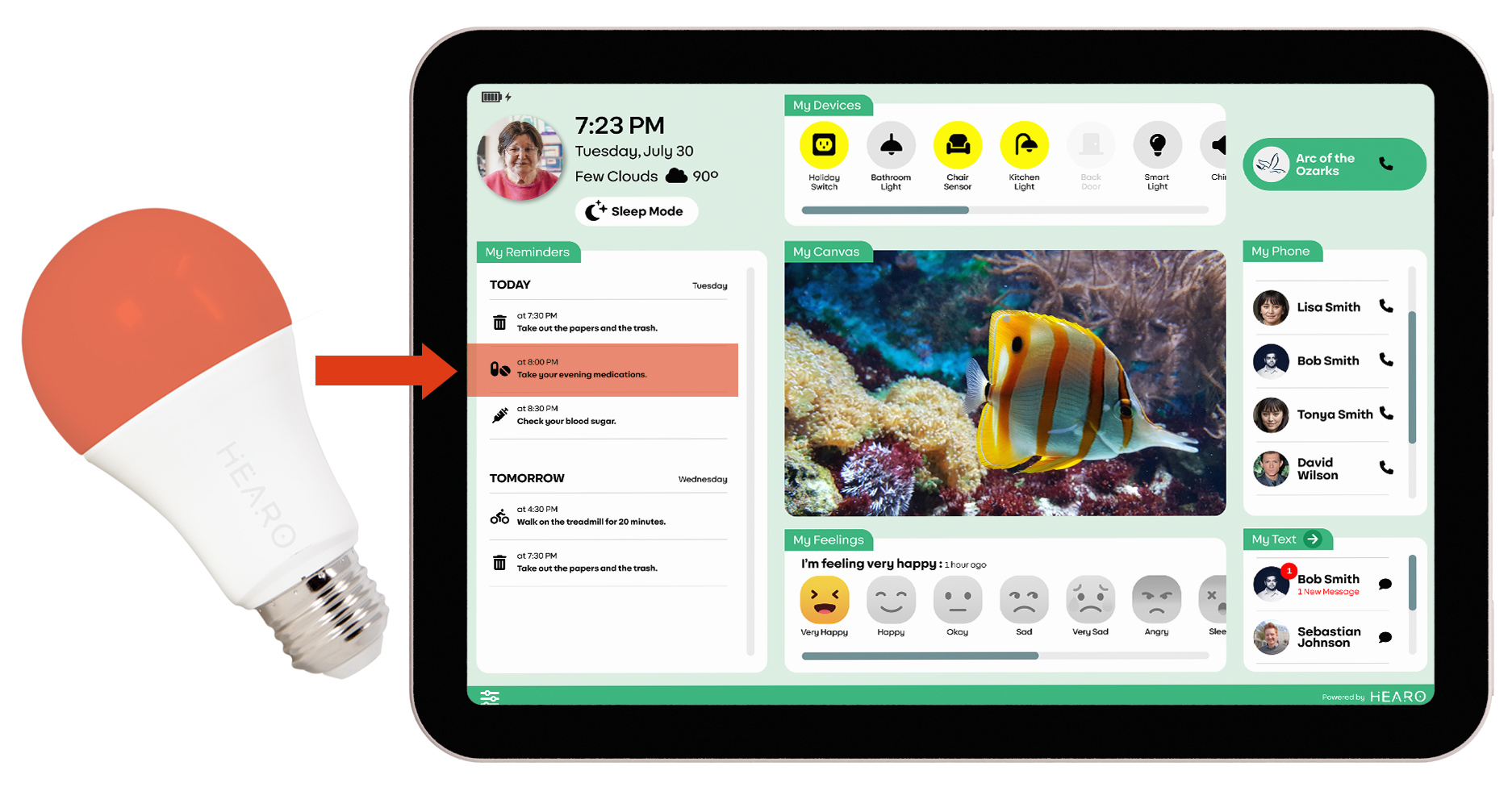
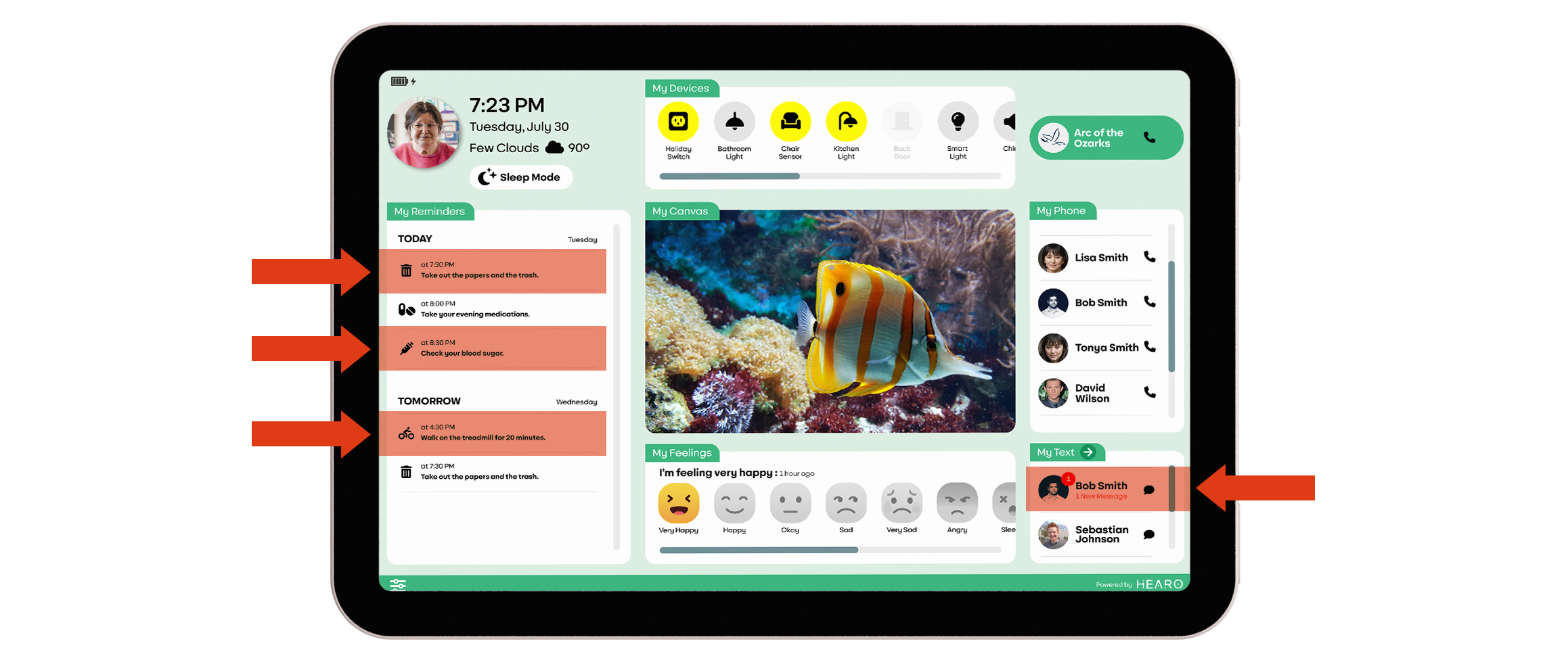
- Medication Management: The Hearo Tablet (and other notification devices) reminds users to take meds, reducing reliance on caregivers.
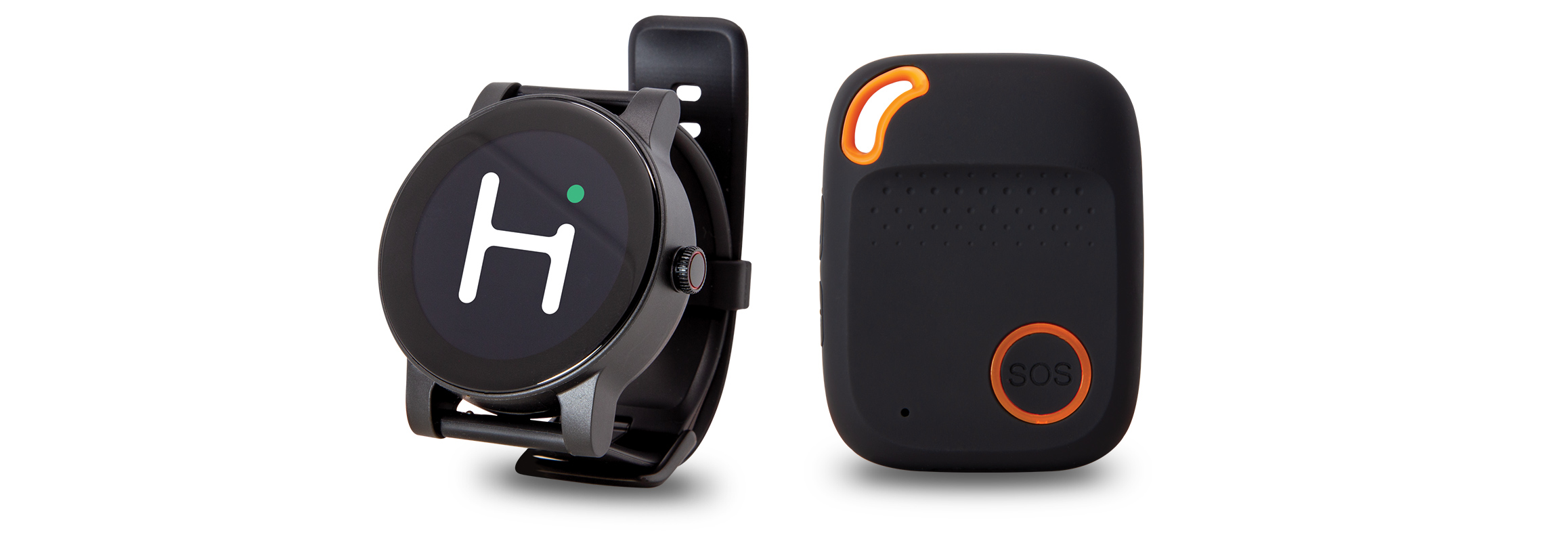
- Quick-Connect Assistance: The Hearo Watch/Pendant allows users to instantly reach their chosen contact—whether that’s family, remote support, or a trusted friend—when needed.
- Routine Support: Custom messages and alerts guide individuals through their daily schedules.
Ethical Considerations & Privacy
Using Remote Supports means balancing independence with oversight.
- Consent & Autonomy: Individuals should be informed and empowered to choose the technology they want.
- HIPAA Compliance: Data security and privacy must be upheld when using RS solutions.
- Least Restrictive Environment: RS should enhance independence, not impose unnecessary restrictions.
Key Principle: Remote Supports should enable, not replace, personal agency.